Blog
Einblicke in Ergonomie, Wirbelsäulengesundheit und sensorgestützte Bewegungsanalyse.

Mikro-Übungen in der Pflege: Bewegung wird zur Routine
Gesundheitsprogramme müssen nicht lang sein: Erfahre, wie kurze Mikro-Einheiten Pflegekräfte im Alltag unterstützen und mit einer App zur Routine werden.

Haltungs-Apps im Vergleich: Rectify für die Wirbelsäule
Rectify verbindet Sensorstreifen, 3D-Wirbelsäulen- und LWS-Tracking, AirPods-Kopftracking, Erinnerungen und Training.

Schultertracking: Haltung mit Rectify verbessern
Schultertracking mit Rectify: Erfahre, wie Referenzhaltung, oberer Rücken-Score und Vibrationsfeedback dir helfen, deine Haltung im Alltag zu verbessern.

Pflegeprojekte erfolgreich umsetzen: Das Monika-Konzept
Pflegeprojekte erfolgreich umsetzen: So beteiligt eine treibende Kraft das Team, gestaltet Challenges fair und prüft Fortschritt nach fünf Wochen. Lies weiter.

Zehnfingerschreiben und Haltung: Weniger Blickwechsel, mehr Ruhe
Wie Zehnfingerschreiben die Haltung unterstützen kann: weniger auf die Tastatur schauen, ergonomisch tippen und Beschwerden realistisch einordnen.
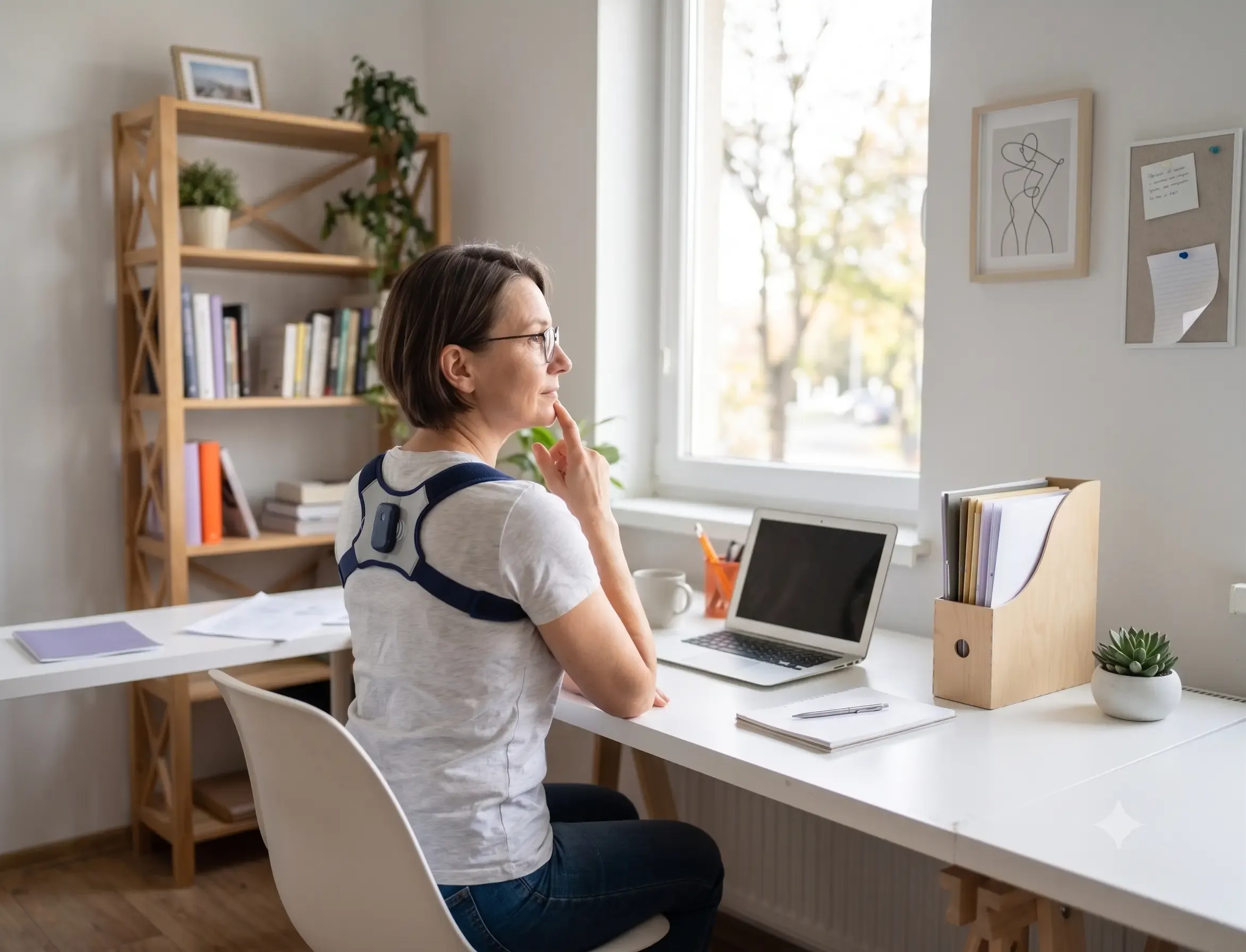
Haltungstrainer mit Vibration im Vergleich: Welcher lohnt sich wirklich?
Ein sachlicher Vergleich von rectify und Upright GO 2: Messwerte, Sensorposition und individuell einstellbares Vibrationsfeedback.

Die Muskeln, die du nicht siehst – und die deine Haltung retten
Wenn deine Haltung trotz Training zusammenfällt, fehlt oft nicht Kraft, sondern Ansteuerung. Diese fünf Stabilisatoren tragen Schultern, Nacken und Wirbelsäule.
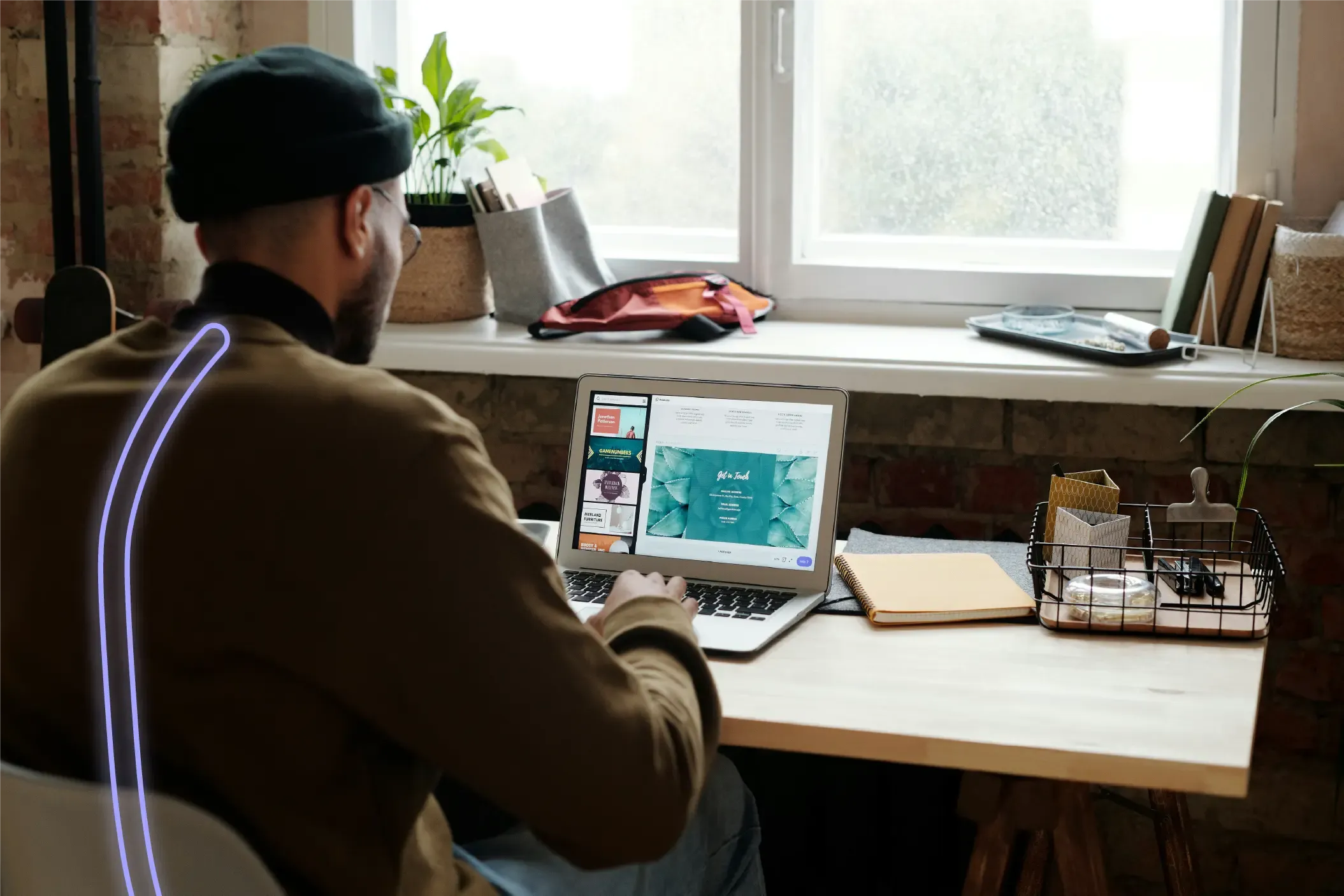
Haltung verbessern: Was wirklich funktioniert
Schlechte Haltung entsteht nicht durch Faulheit – sondern durch fehlendes Feedback. Wie Vibrations-Biofeedback die Körperhaltung trainiert und was die Forschung dazu sagt.

Was ist eine normal Haltung
Warum deine Wirbelsäule so individuell ist wie dein Fingerabdruck. Aktuelle Studien zeigen: Gesunde Lendenlordosen reichen von 10° bis 75°. Neue Forschung beweist: Haltungsvariation reduziert Schmerzrisiken um bis zu 81%.

Krafttraining gegen Osteoporose: Was deine Knochen wirklich brauchen
Kalzium ist ein Baustein. Aber Knochen brauchen vor allem mechanische Belastung — und Krafttraining ist das wirksamste Mittel dagegen. Was die Daten zeigen und wie du heute anfängst.
Kniebeugen oder 10.000 Schritte: Was bringt dir mehr?
10.000 Schritte täglich oder kurzes Krafttraining — was ist effektiver? Der direkte Vergleich mit Forschungsdaten und einer konkreten Empfehlung für deinen Alltag.

Bandscheiben brauchen Wasser: Was Trinken mit deinem Rücken zu tun hat
Bandscheiben haben keine Blutgefäße — sie leben von Diffusion. Wie Trinken und Bewegung zusammenspielen und was du morgens tun kannst.

Griffstärke und Langlebigkeit: Was dein Händedruck über deine Gesundheit verrät
Griffstärke gehört zu den konsistentesten Gesundheitsmarkern in großen Bevölkerungsstudien. Was die Assoziation wirklich belegt — und wo Kausalität noch nicht bewiesen ist.

Kurs erstatten lassen – § 20 SGB V einfach erklärt
Wie funktioniert die Erstattung nach § 20 SGB V? Schritt für Schritt erklärt – plus warum Rückenathlet von der Krankenkasse erstattungsfähig ist.

Kind auf der Hüfte: Wie du beim Tragen Stärke und Balance aufbaust
Einseitiges Tragen fordert deinen Körper einseitig — und das lässt sich messen. Hier erfährst du, was dabei passiert und wie du gezielt Stärke und Balance aufbaust.
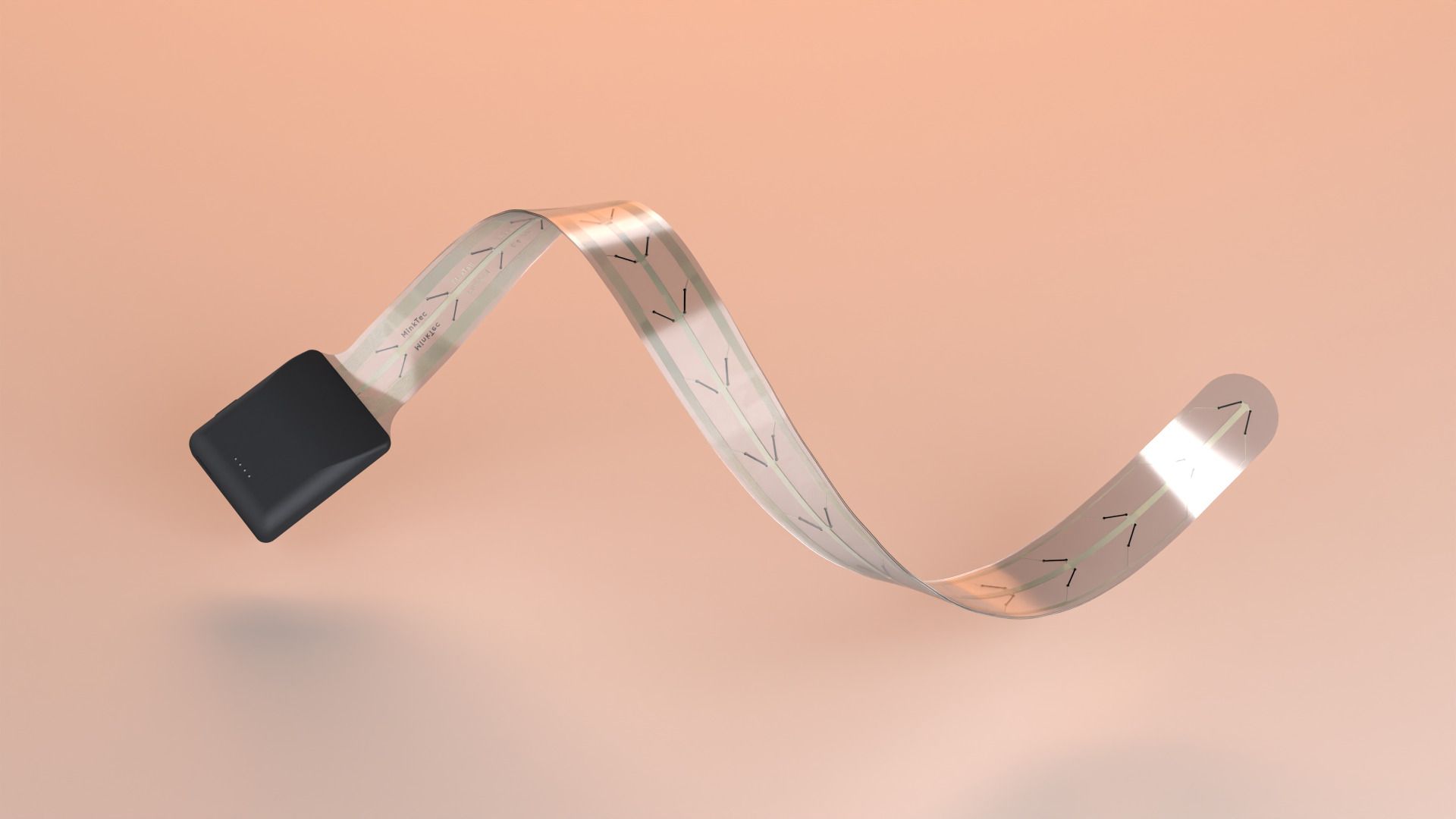
Wirbelsäulentracking im Alltag: Alltagstaugliche Ergonomie
Vicon, IMU-Wearables, SpinalMouse — jede Methode versagt im Alltag. Der FlexTail misst Rückenkrümmung direkt, kontinuierlich, ohne Labor.
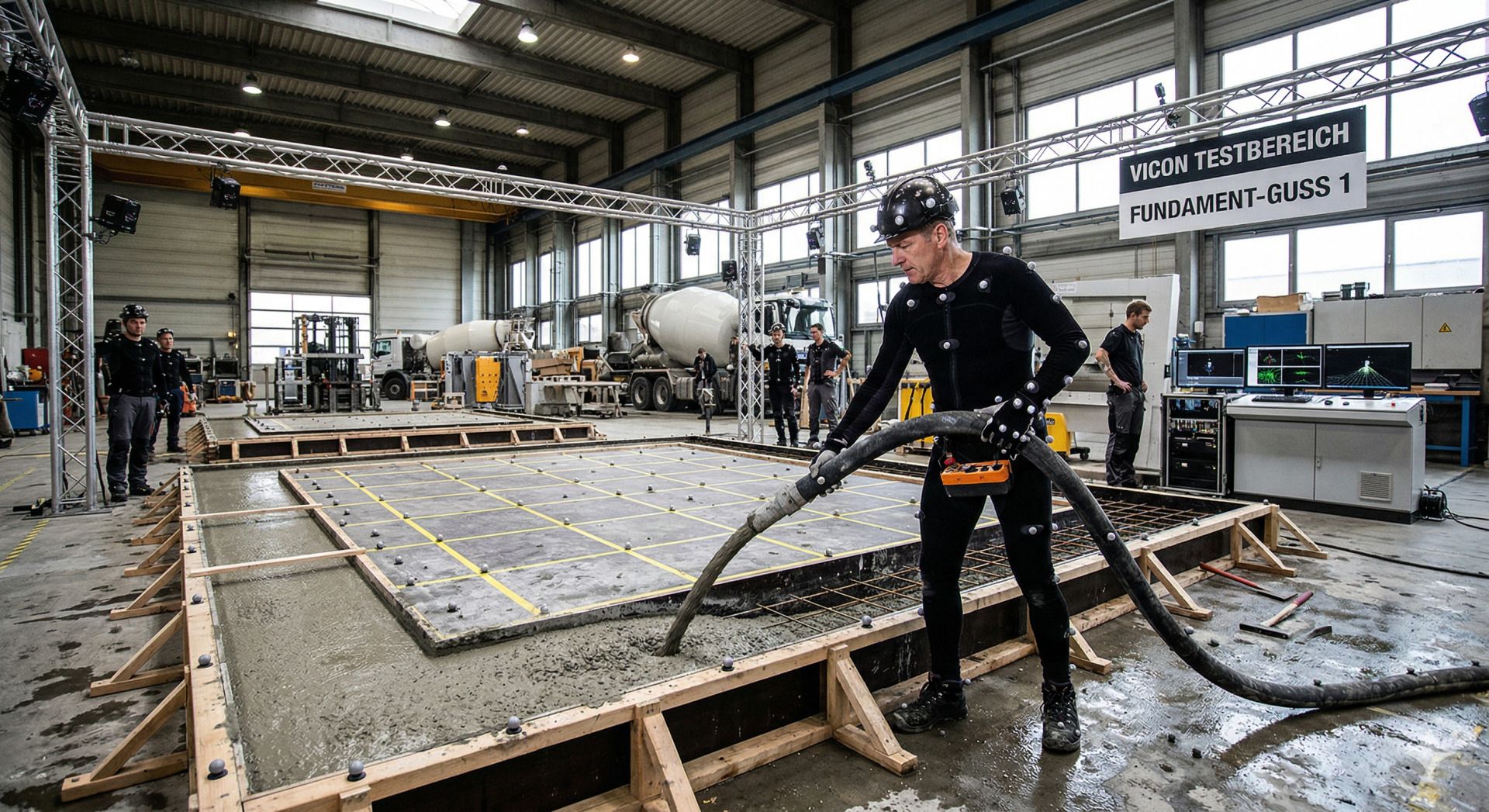
Roboter statt Rücken: Was ein Betondruckexperiment über körperliche Arbeit verrät
An der TU Braunschweig verglichen Forscher klassischen Betonbau mit einem kollaborativen Roboterverfahren. Der Rücken-Sensor lieferte das entscheidende Ergebnis – nicht das Sieben-Kamera-System daneben.
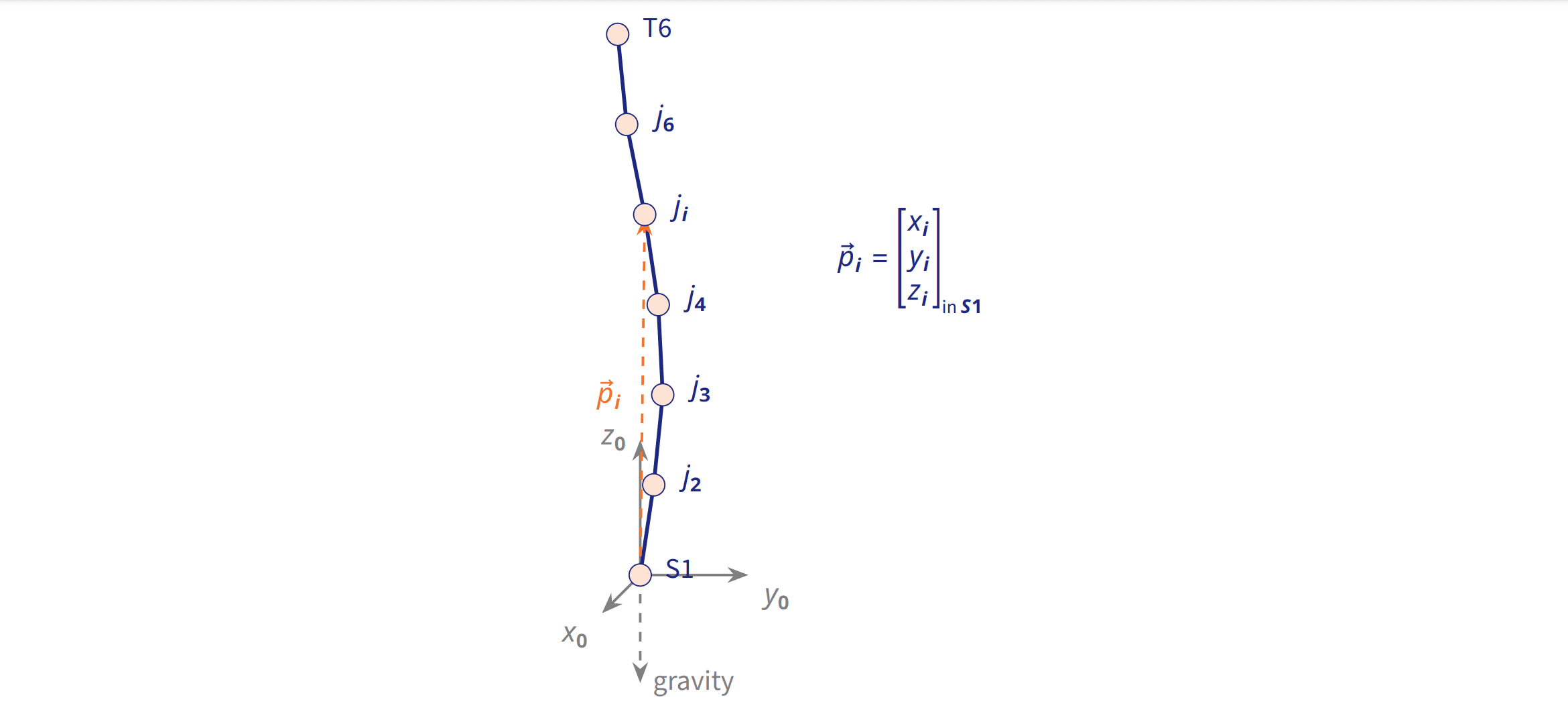
Wie Rectify deine Wirbelsäule in 3D vermisst
Der FlexTail misst die Wirbelsäule direkt. 18 Segmente, kartesische 3D-Koordinaten in Echtzeit. So funktioniert es.

Das Bett fährt jetzt höher — jedes Mal
Eine Pflegekraft fuhr das Bett jahrelang nicht hoch. Ein Vibrationssignal brachte sie zum Nachdenken. Was danach passierte — und was das mit einem 1.000-Euro-Bett zu tun hat.
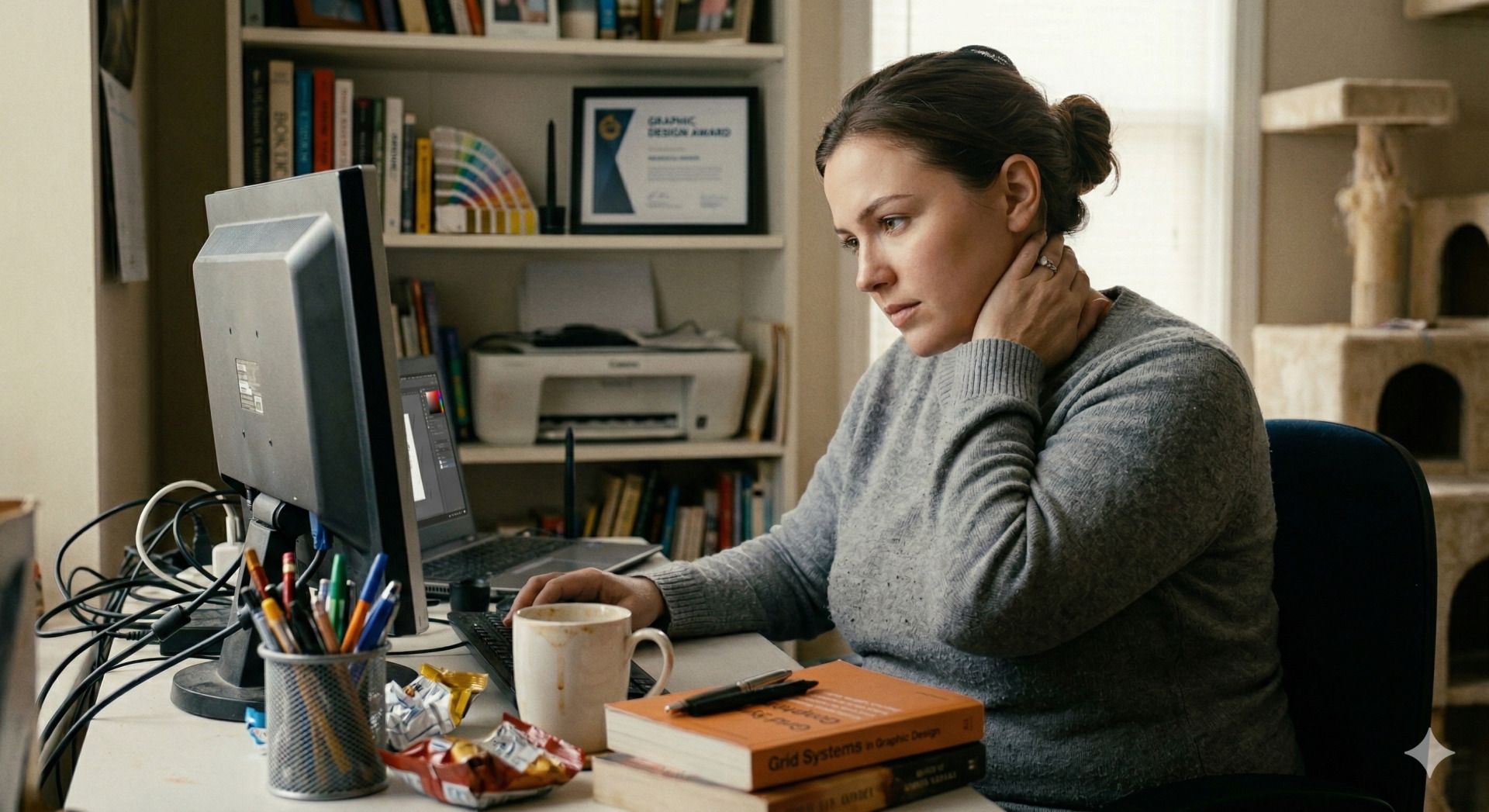
Nackenschmerzen ade: 5 einfache Tipps für einen schmerzfreien Arbeitstag im Homeoffice
Warum statisches Sitzen deinen Nacken ruiniert – und 5 konkrete Tipps, mit denen du den Arbeitsalltag im Homeoffice schmerzfrei gestaltest.

Rücken in der Pflege: Warum Schulungen scheitern – und was stattdessen hilft
77 % der Pflegekräfte entwickeln jährlich Rückenbeschwerden. Warum Hebekurse daran nichts ändern – und wie Biofeedback-Wearables das Problem an der Wurzel packe

Wie viele Tage dauert es seine Haltung zu verbessern? Warum es keine magische Zahl gibt
Gebeugte Schultern am PC? Erfahre, wie lange es wirklich dauert, die Körperhaltung nachhaltig zu verbessern, was die Wissenschaft sagt und welche einfache Alltagsübung sofort hilft. (166 Zeichen)
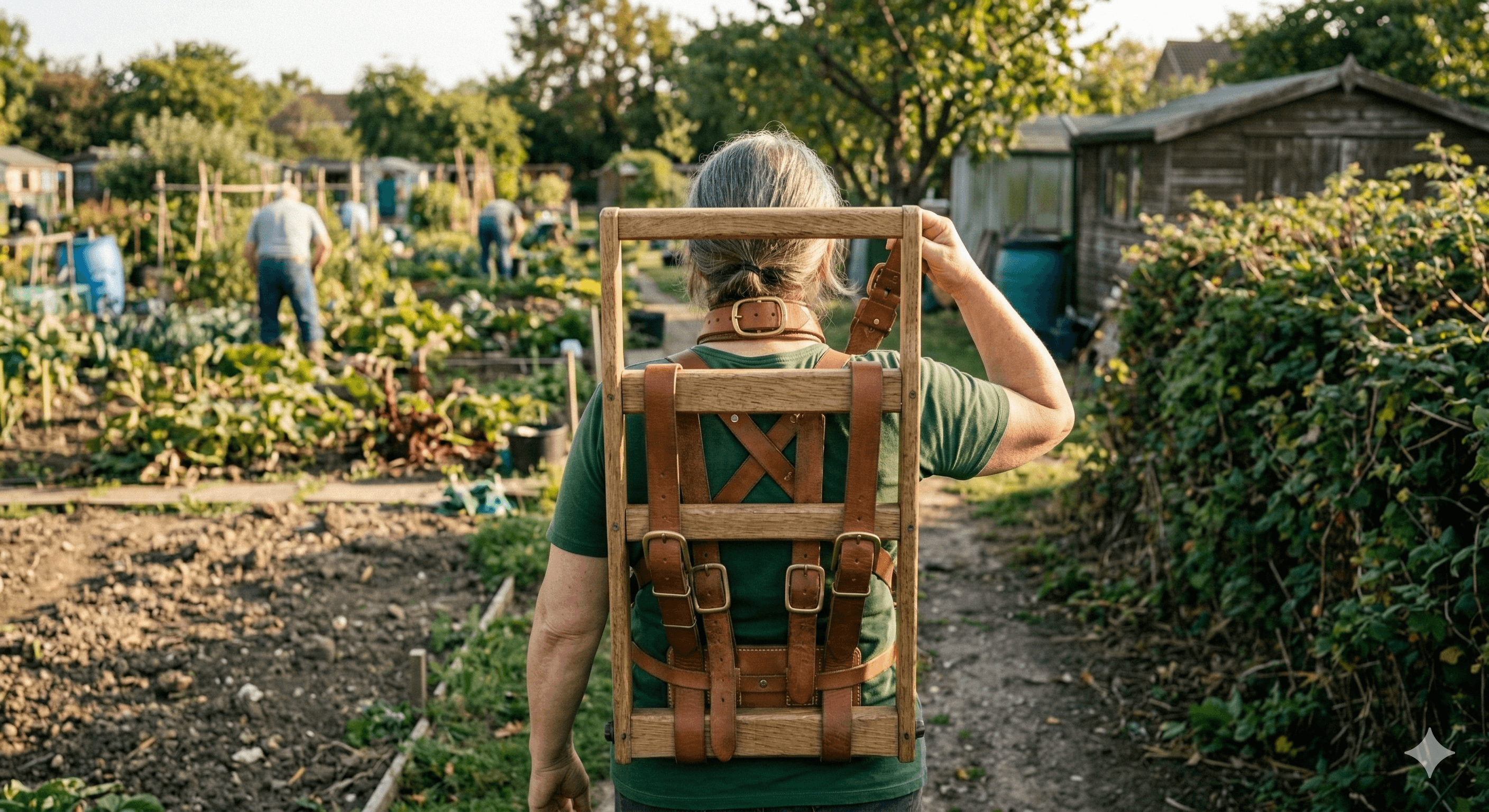
Passives Haltungstraining: Warum Gürtel & Co. nicht wirken
Haltungsgürtel, Dehntabellen, starre Einlagen: Sie geben ein Gefühl von Fortschritt – aber keine echte Verbesserung. Was Studien sagen und welcher Ansatz wirklich funktioniert.
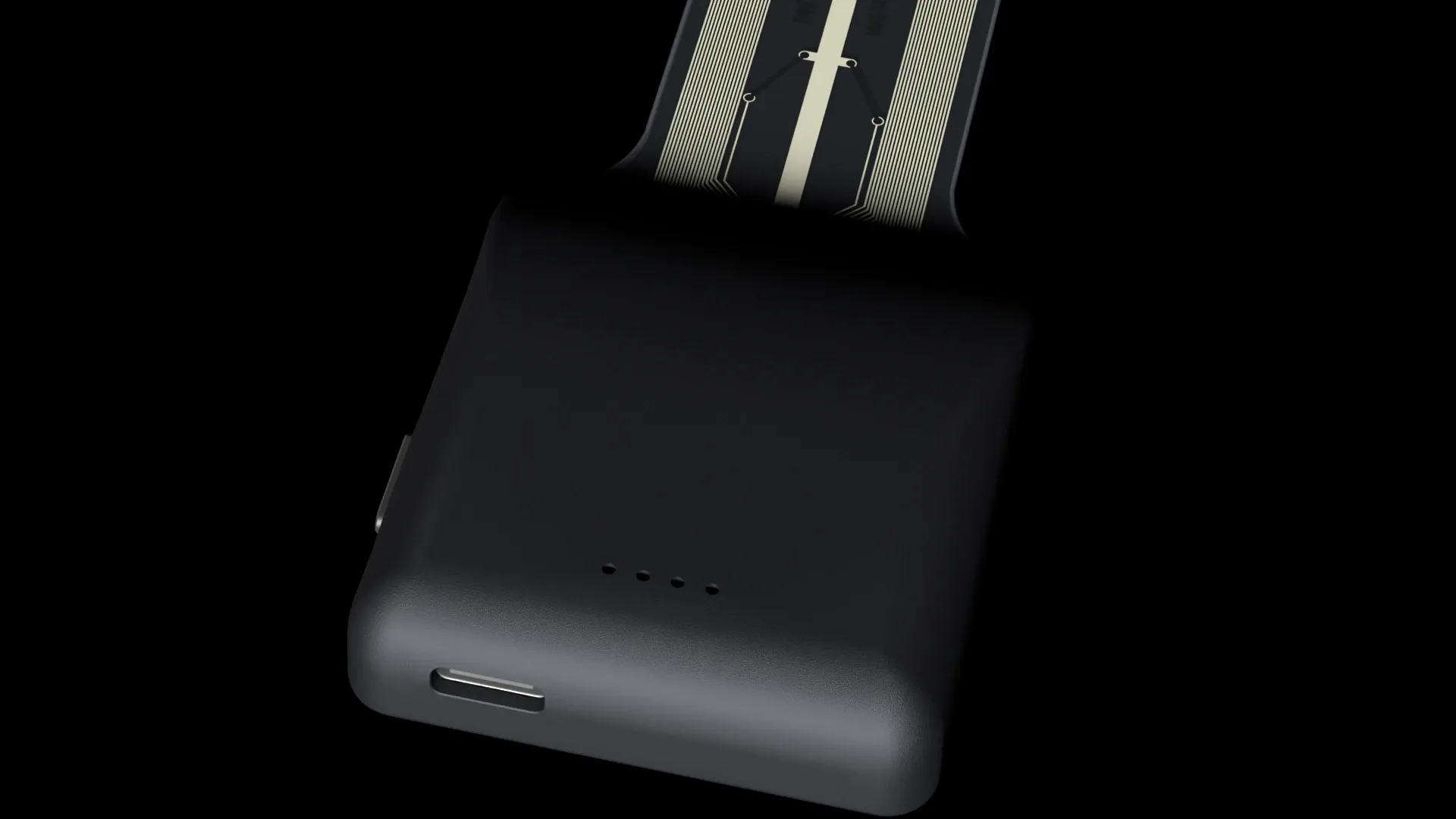
FlexTail 101 – Teil 1: Was ist der FlexTail? Eine Einführung in das 3D-Haltungstracking
Eine Einführung in den FlexTail, ein flexibles Wearable für das 3D-Tracking der Wirbelsäulenhaltung im Alltag.
flexlib: Robuste Biomechanik mit Hysterese und Rust-Geschwindigkeit
Wie Hysterese im Schmitt-Trigger-Stil eine zuverlaessige Zustandserkennung in verrauschten Wearable-Daten ermoeglicht, und warum wir Python mit Rust ueber Maturin kombinieren.
Wearables in der Forschung: Wie Consumer-Gadgets die Wissenschaft verändern
Von Apple Watch bis FlexTail: Wie Wearables die wissenschaftliche Forschung revolutionieren. Erfahre, welche neuen Studiendesigns heute möglich sind und was das für deine Forschung bedeutet.
Faszien-Geschichte: Vom vergessenen Gewebe zum Organsystem der Zukunft
Die Geschichte der Faszien-Wahrnehmung: Von Crookes 'membranöser Sehne' (1651) bis zum heutigen Verständnis als pervasives Netzwerk mit sensorischen Funktionen.

Entscheidungsmuedigkeit: Was die Wissenschaft wirklich zeigt
Der populaere Glaube an Willenskraft-Erschoepfung wird von neuerer Forschung nicht gestuetzt. Eine 2025er Studie mit 231.076 Urteilen zeigt, was die Forschung zur Entscheidungsmuedigkeit wirklich belegt.
Gangasymmetrie: Der unterschätzte Schlüssel zu besserer Bewegung
Erfahre, wie Gangasymmetrie deine sportliche Leistung beeinflusst. Mit 8-Wochen-Plan zur Verbesserung. Wissenschaftlich fundiert für Läufer.
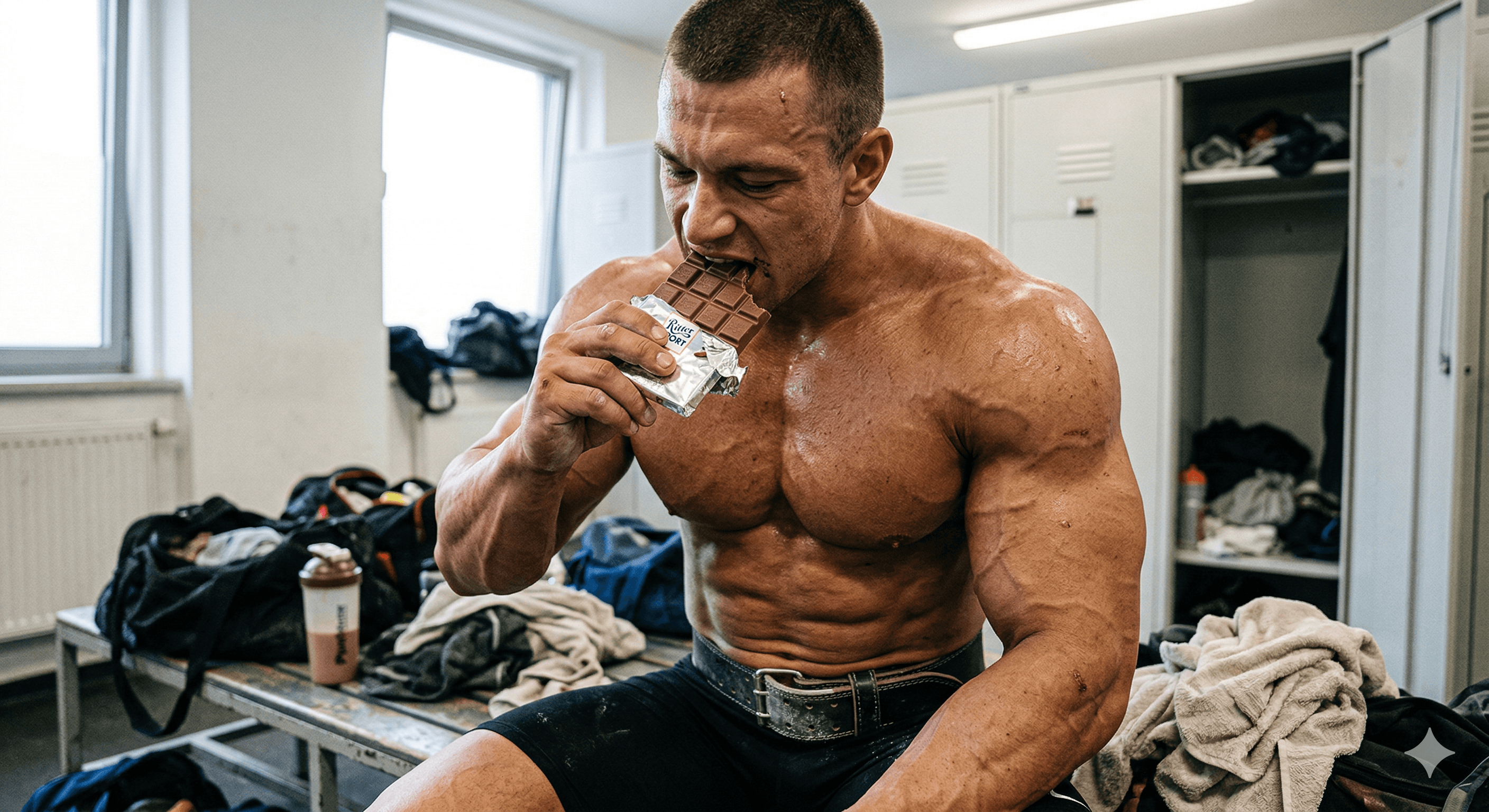
Effektgroesse: Warum die Psychologieforschung so oft scheitert
Warum 61 % der Psychologiestudien falsch sein koennen. Von der Replikationskrise bis zu Stapel, Wittchen und Gino - und warum die Medien alles noch schlimmer machen.

Blaulichtbrillen: Biohack oder Marketing-Mythos?
Bringen Blaulichtbrillen wirklich besseren Schlaf und weniger Augenstress? Wir prüfen die Cochrane-Studie 2023 und erklären den melanopischen Peak (480nm).

Augenmobilisation: Der wissenschaftliche Weg zu gesunder Sehkraft
Lerne evidenzbasierte Augenübungen gegen digitale Augenbelastung. 20-20-20-Regel, Sakkadentraining & Vergenzübungen für bessere Sehkraft.
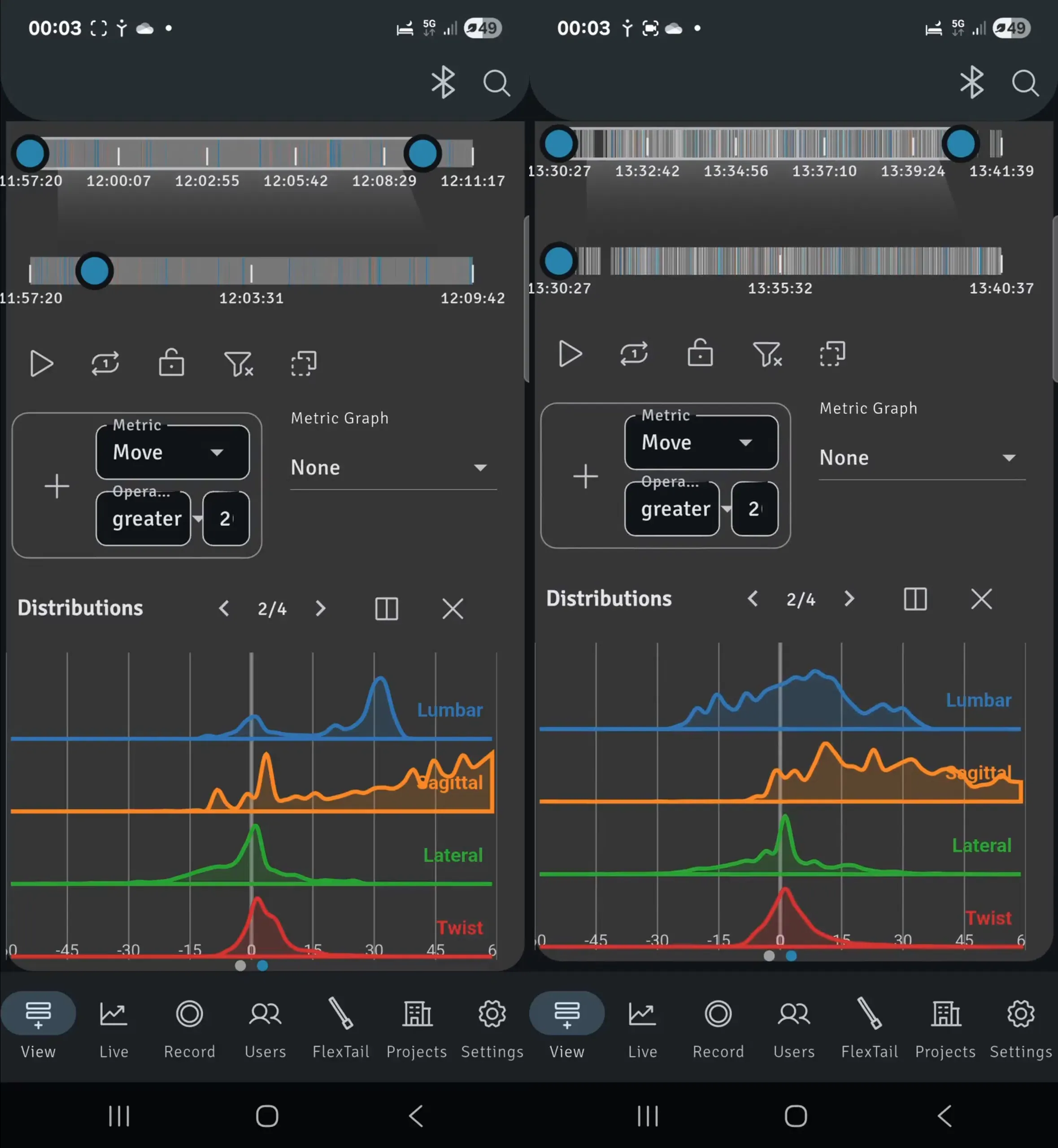
Meine Spuelmaschine war kaputt, aber mein Ruecken nicht: Ein Ratgeber fuer rueckenfreundliches Heimwerken
Ein Praxisbeispiel, wie Biofeedback eines Wirbelsaeulen-Wearables eine Reparaturarbeit in eine Lektion ueber intelligenteres Bewegen verwandelte.
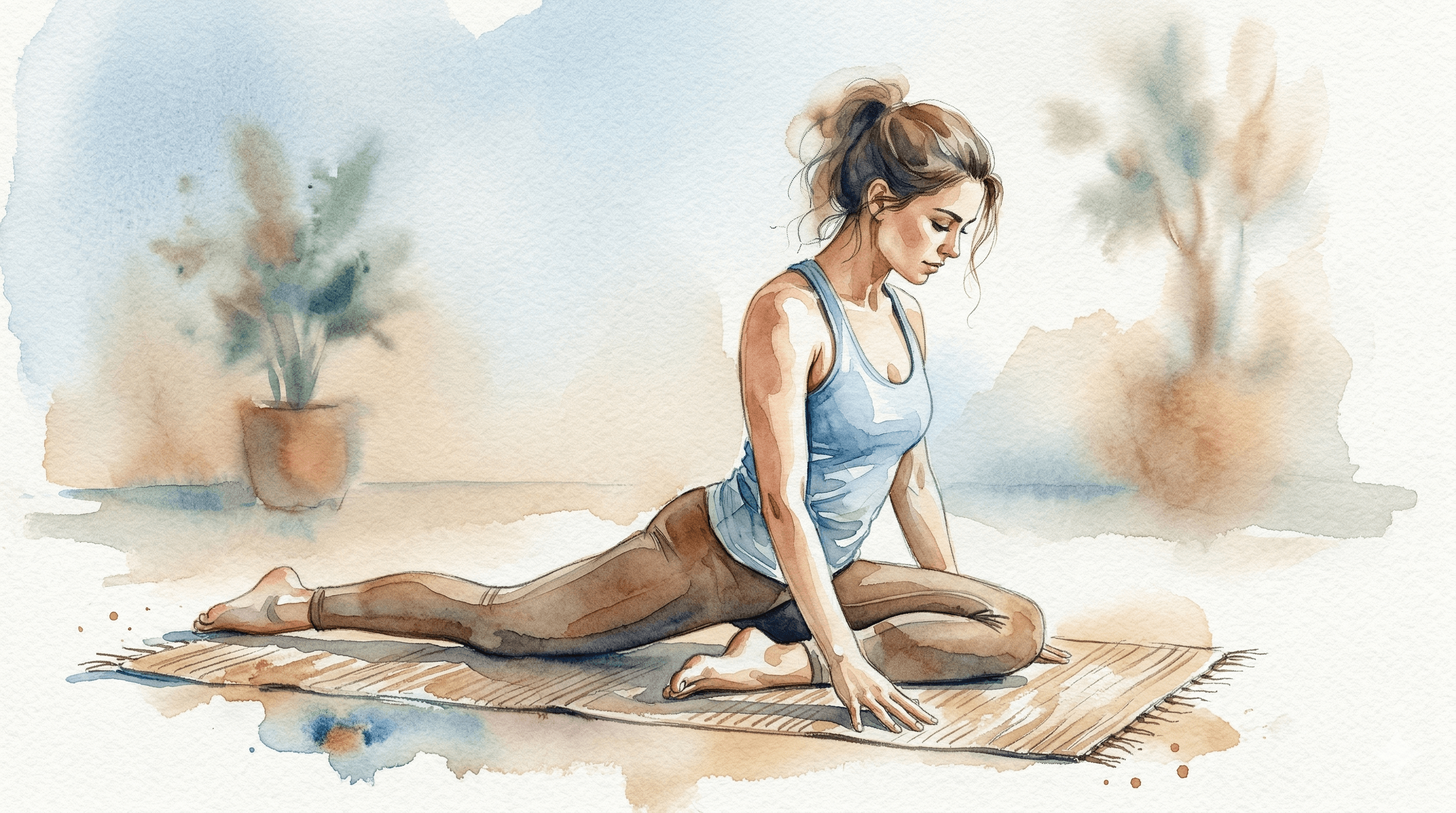
Hueftmobilitaet fuer einen gesunden Ruecken: Was die Forschung zeigt
Steife Hueften zwingen den unteren Ruecken zur Kompensation und foerdern chronische Schmerzen. Erfahre, was die Forschung zur Hueftbeweglichkeit sagt und wie gezielte Uebungen deine Wirbelsaeule schuetzen.
Postur und Rückenschmerzen: Was die Wissenschaft wirklich zeigt
Ehrliche Analyse: Was die Wissenschaft wirklich über den Zusammenhang zwischen Körperhaltung und Rückenschmerzen zeigt – und warum rectify die wissenschaftliche Beweislücke schließen will.
Rückenschmerzen Büro: 80% betroffen – Was wirklich hilft
Bis zu 81% der Büroangestellten leiden unter Rücken- oder Nackenschmerzen. Entdecke aktuelle Studien aus 2025 und 5 konkrete Tipps für deinen Alltag.
Gleichgewicht: Der unterschätzte Schlüssel zu körperlicher Gesundheit
Erfahre, wie du dein Gleichgewicht ab 40 verbessern kannst. Wissenschaftlich fundierte Übungen für mehr Stabilität und Sturzprävention.
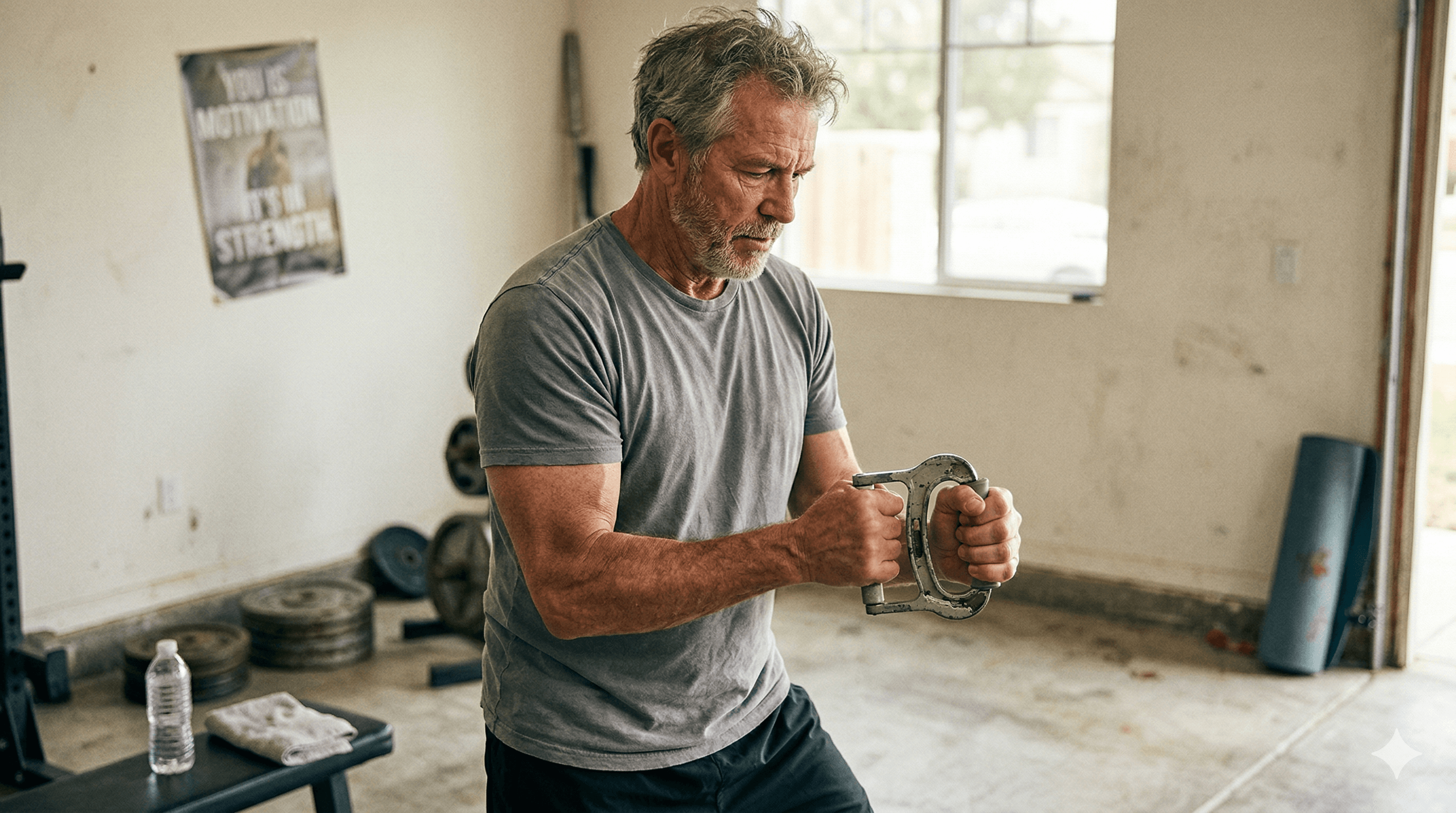
Muskelkraft: Der unterschätzte Schlüssel für deine Langlebigkeit
Entdecke warum Muskelkraft der stärkste Indikator für deine Langlebigkeit ist. Wissenschaftlich belegte Strategien gegen Sarkopenie, die Optimierung deiner Protein-Aufnahme und wie Muskeln als hormonelle Superkraft dein Überleben steuern.
Muskelaktivierung: Was im Körper passiert, wenn du trainierst
Entdecke, was bei Muskelaktivierung wirklich passiert. Praxisnahe Techniken für bessere Muskelsteuerung und effektiveres Training – starte jetzt!
Infraspinatus trainieren: Die 8 effektivsten Übungen für einen stabilen Schultergürtel
Entdecke die 8 effektivsten evidenzbasierten Infraspinatus-Übungen für Schulter-Stabilität. Inklusive EMG-Studien und 8-Wochen-Trainingsplan.
Sprunggelenksmobilität für gesunde Knie: Was deine Knie mit deinen Knöcheln zu tun haben
Erfahre, wie eingeschränkte Sprunggelenksmobilität deine Knie beeinflusst. Wissenschaftlich fundierte Übungen für mehr Beweglichkeit und weniger Schmerzen.
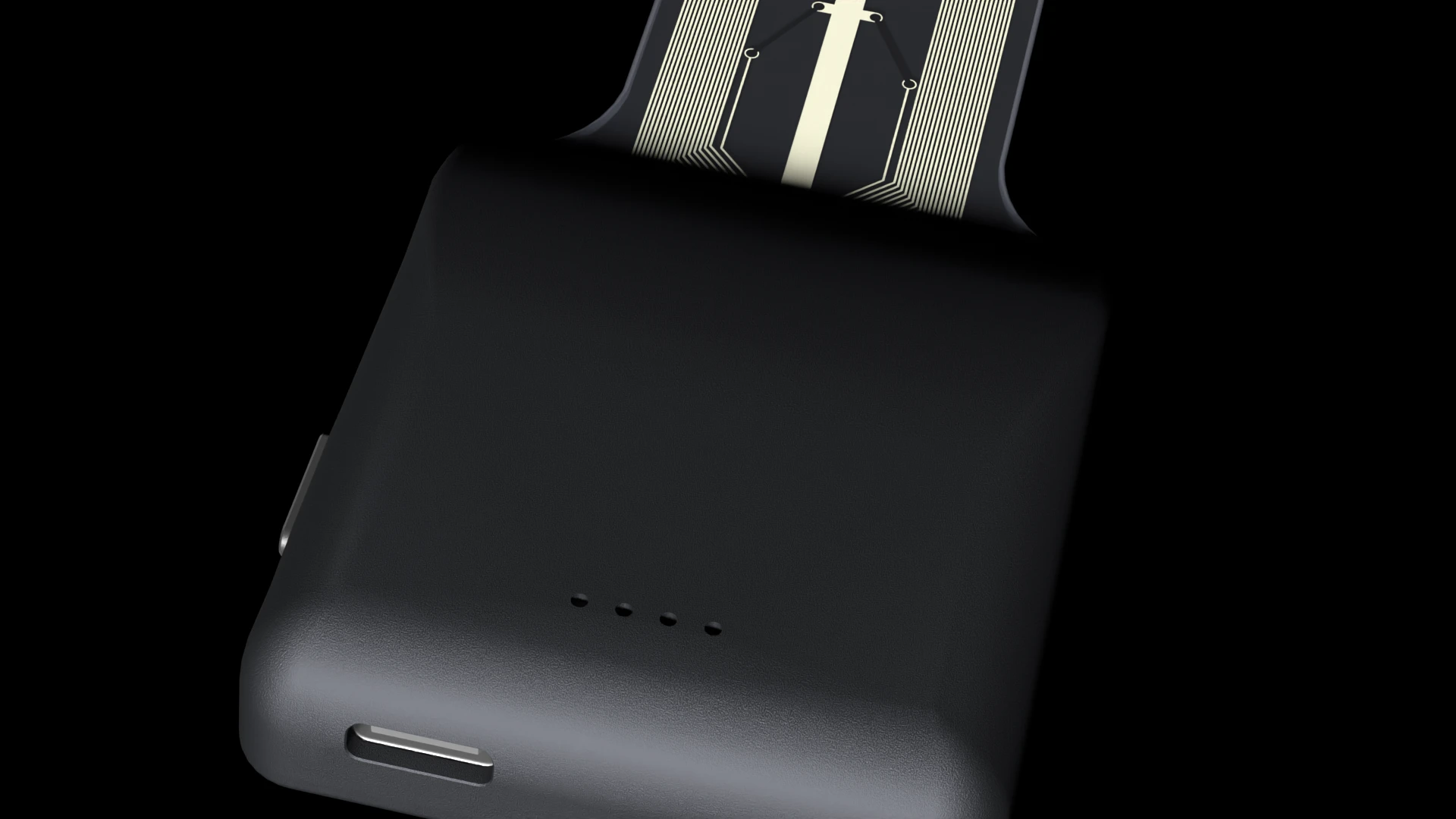
FlexTail 101 – Part 1: What is the FlexTail? An Introduction to 3D Posture Tracking
An introduction to the FlexTail, a flexible wearable for 3D spinal posture tracking in daily life.
Get Paid for Innovating: A Practical Guide to Germany's Research Allowance (Forschungszulage)
A pragmatic, rule‑based framework for leveraging Germany's Research Allowance (Forschungszulage) by decoding legal criteria, documenting technical risk, and turning R&D into predictable liquidity.

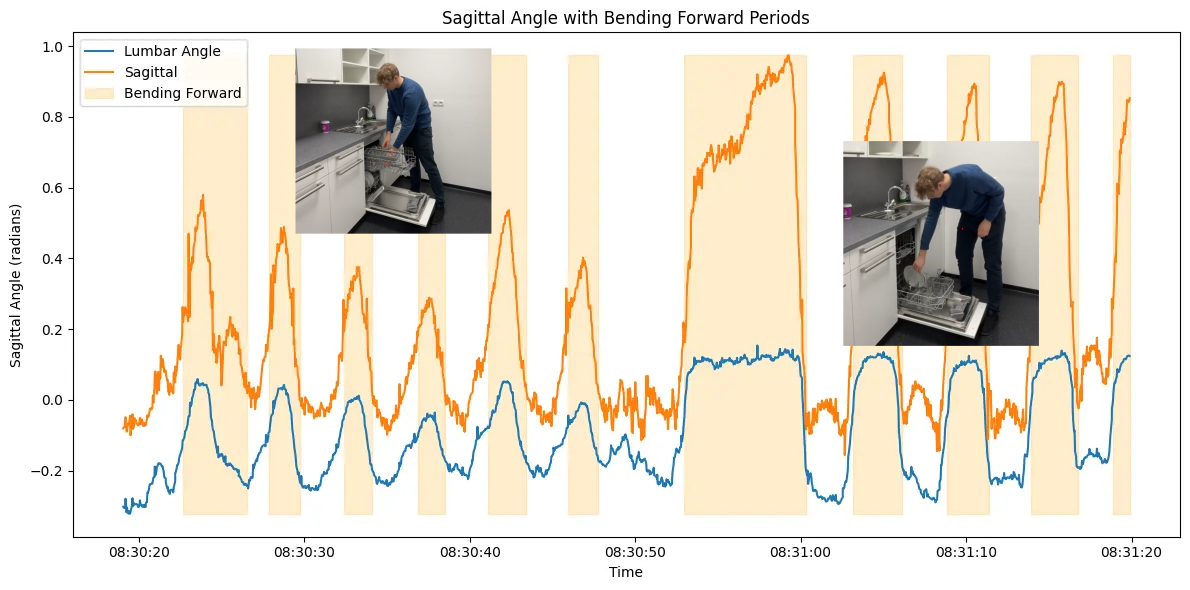
My Dishwasher Broke, But My Back Didn't: A Tech-Powered Guide to Back-Friendly DIY
A real-world look at how feedback from a wearable spine sensor turned repair job into an opportunity to move smarter and protect the back.
flexlib: Robust Biomechanics With Hysteresis and Rust-Powered Speed
How Schmitt-trigger style hysteresis enables reliable state detection in noisy wearable data, and why we pair Python with Rust via Maturin.